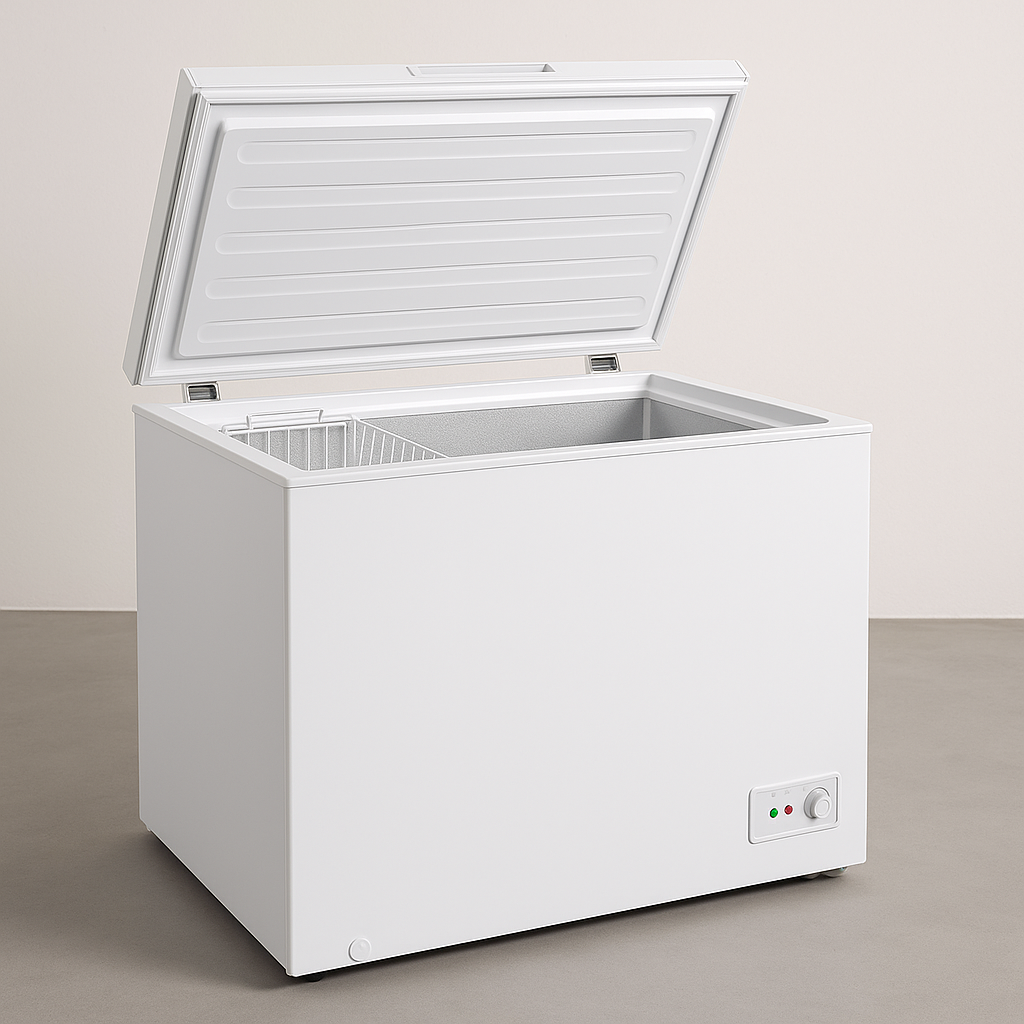
The Small Freezer: A Comprehensive Guide for Homeowners
As the cooking world develops and homes become progressively hectic, efficient food storage options have gotten appeal. Amongst these, small freezers stick out for their adaptability and usefulness. This post looks into the ins and outs of small freezers, exploring their advantages, types, purchasing considerations, and a lot more.
What is a Small Freezer?
A small freezer, frequently referred to as a chest or upright freezer, is a compact appliance developed to store food products at ultra-low temperatures. These designs are perfect for individuals or households with restricted area who still wish to preserve food for longer durations, offer bulk cooking choices, or take benefit of sales and seasonal fruit and vegetables.
Advantages of Small Freezers
Small freezers offer various advantages that make them an appealing addition to many homes. Here are some of the most significant advantages:
- Convenient Food Storage: With a small freezer, users can save leftovers, pre-prepared meals, and bulk products easily, minimizing food waste.
- Energy Efficient: Small freezers usually use less energy compared to larger designs, making them a cost-efficient choice gradually.
- Space-Saving: Their compact style suggests they can suit tight areas, like kitchens, garages, or basements.
- Food Preservation: Small freezers assist keep the quality of food long-term, enabling for seasonal stocking.
- Quick Access: Many small freezers have organized compartments, making sure simple access to food items without the need for rummaging.
Kinds Of Small Freezers
While small freezers all serve the very same main function, they are available in different types to suit different needs. Here's a breakdown of the most typical types:
| Freezer Type | Description | Suitable for |
|---|---|---|
| Chest Freezer | A larger opening at the top, these are deep and wide, offering sufficient storage area. | Families with bulk storage requires |
| Upright Freezer | Vertical style, looking like a refrigerator, with shelves for better organization. | Limited area and arranged storage |
| Portable Freezer | Compact and lightweight, these freezers can be moved easily. | Camps, trip, small kitchens |
| Drawer Freezer | Built-in or standalone, these slide out like drawers for simple gain access to. | Cooking area style enthusiasts, small areas |
Choosing the Right Small Freezer
Before buying a small freezer, it's necessary to think about numerous crucial aspects to make sure that it fits your needs completely.
1. Size and Capacity
Determining how much storage you require is important. Carefully consider your area and just how much food you typically store. Utilize the following table as a reference:
| Household Size | Advised Freezer Capacity |
|---|---|
| 1-2 People | 5 - 10 cu. ft. |
| 3-4 People | 10 - 15 cu. ft. |
| 5+ People | 15 - 20 cu. ft. |
2. Energy Efficiency
Always inspect the energy rating of the freezer. Systems with greater energy efficiency ratings can conserve substantial money gradually. Look for models with the ENERGY STAR certification.
3. Location and Accessibility
Think about where you prepare to position your small freezer. For Trivio Handel , like portable ones, a garage or energy room might suffice. While chest freezers might require more space, they are often more efficient for storage needs.
4. Functions
Evaluate which included functions are important to you, consisting of:
- Adjustable Shelving: Allows for customization based upon your storage needs.
- Temperature Controls: Digital manages offer precision in preserving temperatures.
- Frost-Free Operation: Reduces upkeep and the requirement for manual defrosting.
5. Brand and Warranty
Research study different brand names and their particular warranties. Established brand names are often a safer long-lasting financial investment than generic choices.
Frequently Asked Questions About Small Freezers
1. The length of time can food be kept in a small freezer?
Many food can be securely stored in a small freezer for a number of months to a year, depending upon the type. For example:
- Meat: 4-12 months
- Vegetables: 8-12 months
- Baked goods: 2-6 months
2. Can I put a freezer in my garage?
Yes, but make sure the garage is temperature-controlled. Severe changes can restrain the freezer's efficiency.
3. Do small freezers use a great deal of electricity?
Typically, small freezers take in between 200 and 600 kWh per year. Pick an energy-efficient model to reduce costs.
4. How typically should I thaw my small freezer?
If it's not frost-free, you should defrost it whenever the frost accumulation exceeds a quarter-inch.
5. Can I keep food in plastic containers?
Yes, using airtight plastic containers can help keep food fresh and safe from freezer burn.
Investing in a small freezer can cause boosted food storage capability, convenience, and sustainability. By comprehending the different types, their advantages, and key factors to consider, house owners can make educated options that fit their requirements. Small freezers are a game-changer for anybody looking to maintain food quality and reduce waste, making them an essential device in modern cooking areas.